
Trending Nature Drawing Ideas You Must Try in 2025 (Easy to Advanced)
Nature drawing has always been timeless, but 2025 has given it a completely new dimension. As the digital world becomes increasingly fast-paced, creators, designers, students, and hobby artists are returning to nature-inspired art to reconnect with calmness, mindfulness, and creativity.
Damm Sure Creation
11/19/20256 min read
Introduction — Why Nature Drawing Is Trending in 2025
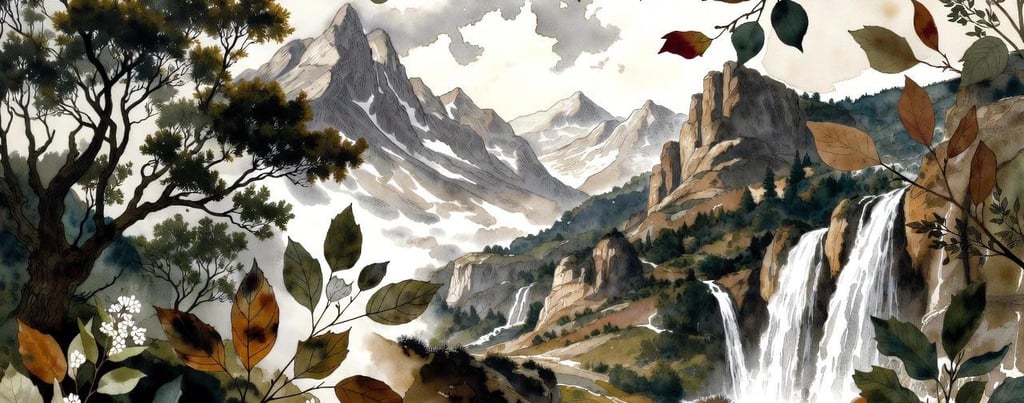
Nature drawing has always been timeless, but 2025 has given it a completely new dimension. As the digital world becomes increasingly fast-paced, creators, designers, students, and hobby artists are returning to nature-inspired art to reconnect with calmness, mindfulness, and creativity. Social media platforms like Instagram, Pinterest, and Behance are now filled with serene mountain sketches, enchanted forests, and minimalistic flower studies—proving that nature art has become one of the most influential creative movements of the year.
In luxury design circles, nature illustrations have evolved into a symbol of purity, balance, and sophistication. Brands are using nature sketches for packaging, interior decor, wall art, book covers, luxury stationery, and wellness branding. Artists worldwide are rediscovering the magic of pencil strokes, graphite textures, charcoal shading, and watercolor blends to bring natural elements to life.
Students also love nature drawing because it is beginner-friendly yet allows endless creativity. Even a simple leaf can be turned into a masterpiece with the right structure, shading, and depth. Meanwhile, advanced artists explore breathtaking scenes—like moonlit forests, crystal waterfalls, and hyper-realistic wildlife.
To support creators of every level, Damm Sure Creation has released the biggest premium nature drawing reference collection, now available at an exclusive 80% OFF, making 2025 the perfect year to upgrade your art journey.
1. Easy Beginner Sketches (Flowers, Leaves, Mountains)
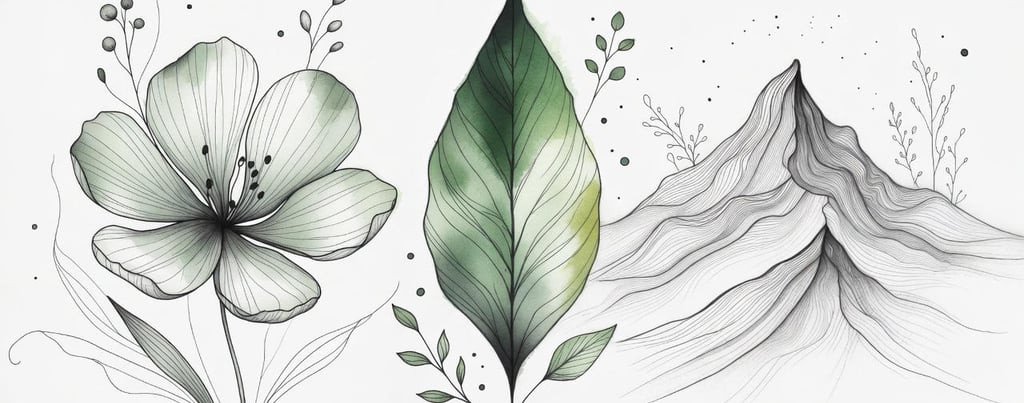
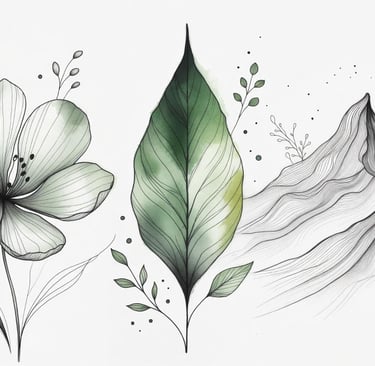
If you're just beginning your nature drawing journey, start with simple subjects that build your foundation. Flowers, leaves, and mountains are considered the “classic trio” for new artists because they teach line control, shape observation, and basic shading.
Q. How to Draw a Flower? (Beginner Level)
Start with a soft circle outline for the center.
Add oval or teardrop-shaped petals around it.
Lightly sketch secondary layers for depth.
Shade the center slightly darker.
Add subtle shadows between petals for realism.
Realistic Example:
Imagine a simple daisy growing beside a quiet road. Its petals aren’t perfectly symmetrical—this natural imperfection is what makes your drawing feel alive.
Q.How to Draw a Leaf? (Beginner Level)
Draw a central vein.
Add the basic leaf outline — round or pointed.
Sketch side veins branching from the center.
Shade one side slightly darker.
Blend with a tissue or blending stump.
Realistic Example:
Pick a leaf from your garden. Notice how one side is always slightly darker due to shadow—capture that subtlety.
Q. How to Draw a Simple Mountain?
Draw a triangle-like silhouette.
Add jagged lines to form ridges.
Shade one side darker to show light direction.
Add snow caps with gentle highlights.
Realistic Example:
Think of early morning mountains—soft shadows, soft light, minimal detailing.
2. Medium-Level Compositions (Waterfalls, Forests, Birds)
Once you’re comfortable with basic shapes, it’s time to assemble them into more expressive nature scenes. Medium-level subjects like waterfalls, forests, and birds help you practice texture, perspective, movement, and layering.
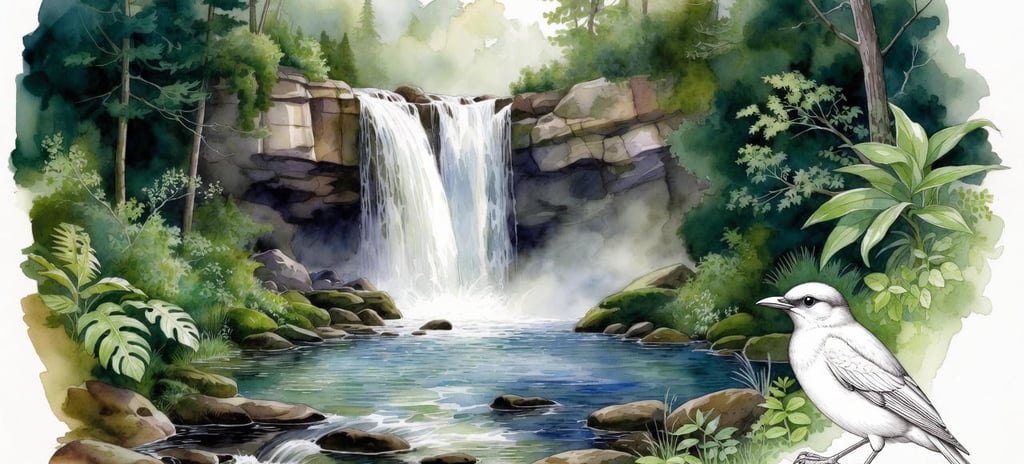
Q. How to Draw a Waterfall? (Medium Level)
Start with two cliff edges.
Sketch flowing vertical lines for water movement.
Add curves at the bottom for splashes.
Shade the sides of cliffs with darker tones.
Highlight the water using gentle eraser strokes.
Realistic Example:
Imagine a waterfall in a forest valley—water cascading gently, mist rising, rocks peeking beneath the flow.
Q. How to Draw a Forest Scene?
Begin with three trees at different distances.
Draw trunks with irregular vertical textures.
Use light strokes for leaves or foliage clusters.
Add background trees with faint outlines.
Shade the ground and add light direction.
Realistic Example:
Think of a forest pathway in the morning—sunlight breaking through tree gaps, long soft shadows, gentle fog.
Q. How to Draw a Bird on a Branch?
Start with a small oval (body) and circle (head).
Add a beak, wings, and tail.
Draw a branch with bark texture.
Shade feathers lightly.
Add highlights on the eye for life.
Realistic Example:
Picture a sparrow resting before flight—light feathers, soft form, gentle eye sparkle.
3. Advanced Artworks (Realistic Animals, Night Forest Scenes)
Advanced nature drawings require deeper observation, patience, and strong shading control. These compositions involve complex textures, lighting, and emotional atmosphere.
Q. How to Draw a Realistic Animal? (Advanced Level)
Begin with light geometric shapes (circles, ovals).
Sketch the outline of body structure.
Add fur patterns using tiny directional strokes.
Pay attention to eyes — the soul of the animal.
Build layers of shading slowly for depth.
Add contrast with highlights and deep shadows.
Realistic Example:
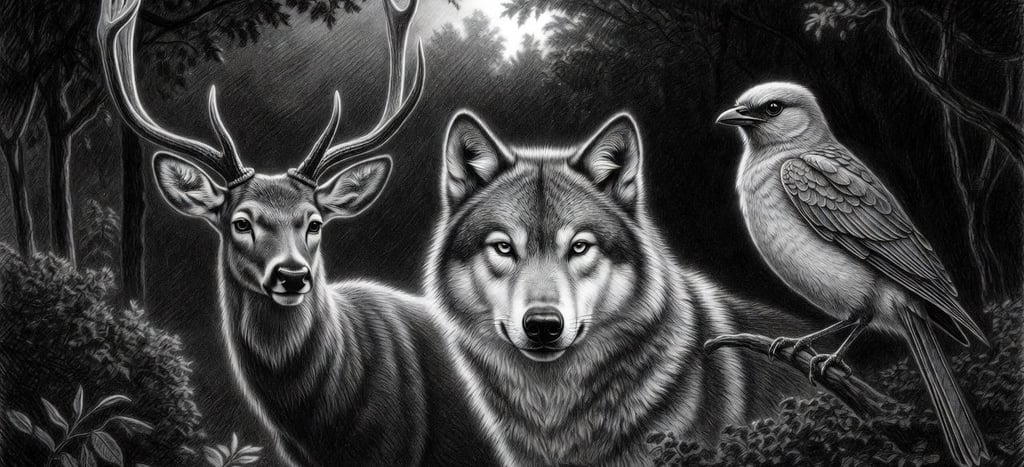
A deer standing at the edge of a forest, gentle eyes, rich fur texture, subtle background blur.
Q. How to Draw a Night Forest Scene?
Start with silhouettes of tall trees.
Add moonlight direction — choose left or right.
Create contrast: dark foreground, lighter background.
Use soft smudging for mist and atmosphere.
Add stars with sharp pencil dots.
Highlight edges of trees with moon glow.
Realistic Example:
Picture a moonlit forest where shadows melt into the fog, and the silence feels sacred.
4. Step-by-Step Tips for Better Nature Drawings
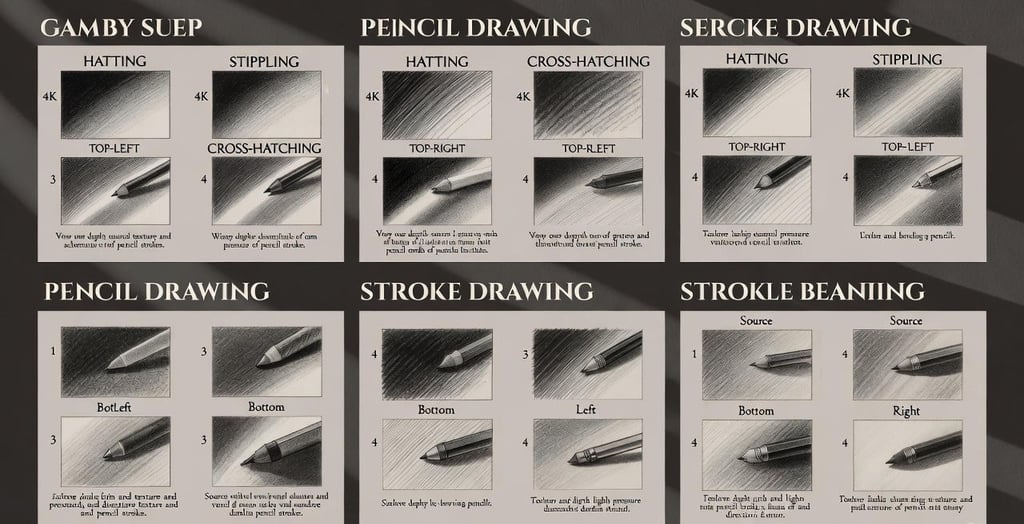
To achieve professional-level nature drawings, follow these master techniques used by high-end illustrators:
1. Study Light Direction
Always decide where your light comes from. It controls every shadow and highlight.
2. Layer Your Shading
Start with light tones → medium tones → deep shadows.
3. Use Real References
Never draw only from imagination, especially for animals and landscapes.
Damm Sure Creation offers premium reference packs — now at 80% OFF.
4. Focus on Edges
Hard edges show closeness.
Soft edges show distance.
5. Add Atmospheric Depth
Distant objects should be lighter and less detailed.
6. Practice Texture
Water, fur, leaves, bark — each has unique stroke patterns.
7. Blend Wisely
Use blending stumps or tissues to soften shadows.
8. Build Patience
Advanced drawings require slow, careful layering.
5. Downloadable References (With 80% OFF Offer)
One of the biggest secrets behind professional nature drawings is the use of high-quality reference images. Whether you’re drawing a flower or a full forest landscape, references help you observe real textures, light, atmosphere, and structure.
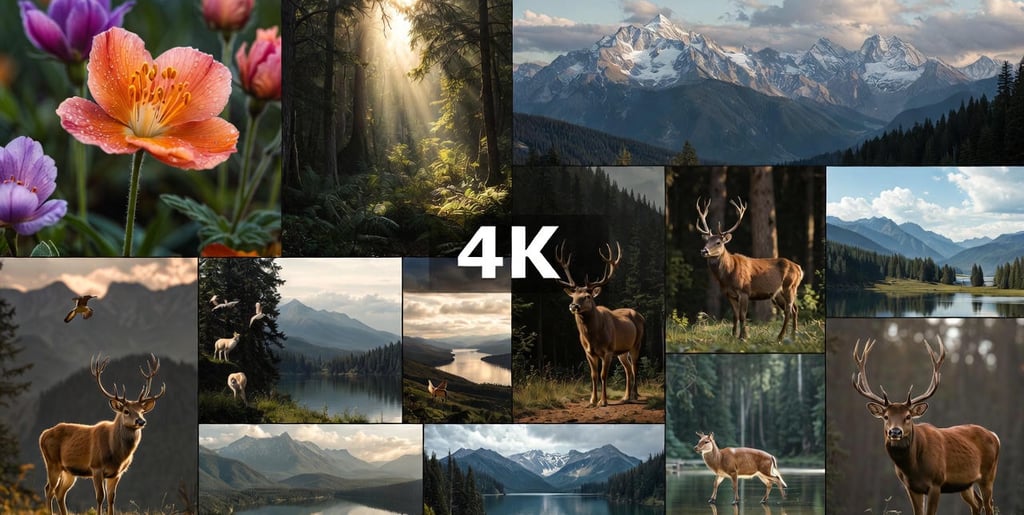
To support artists in 2025, Damm Sure Creation is offering an exclusive 80% OFF Nature Drawing Reference Bundle, featuring:
✔ Flowers
✔ Mountains
✔ Forests
✔ Waterfalls
✔ Birds
✔ Wildlife
✔ Abstract nature aesthetics
✔ Night scenery
✔ Botanical close-ups
✔ Pastel nature moods
Every file is ultra-high resolution, professionally curated, and designed to elevate your artwork instantly.
Q. Why These References Are Special?
Shot with cinematic lighting
Crisp details for advanced realism
Perfect for digital or pencil drawings
Ideal for students, professionals, and hobbyists
Instagram-ready aesthetic compositions
6. Final Inspiration Gallery
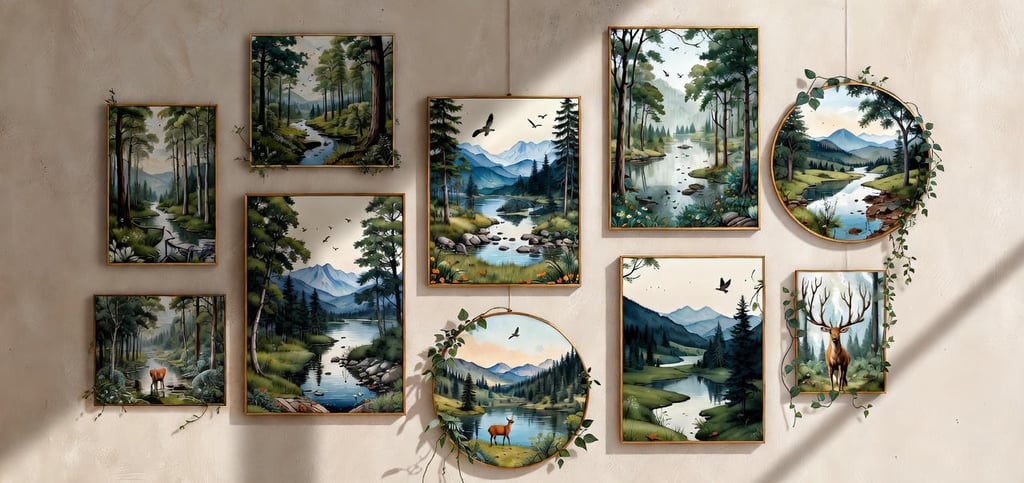
Your artistic journey starts with simple strokes, but your potential is limitless. This final inspiration gallery is designed to spark imagination, motivate consistency, and help you visualize what’s possible when your skills grow.
Ideas for Your Nature Drawing Portfolio
A serene mountain sunrise sketch
A dreamy night forest with moon fog
Minimalistic botanical line art
A hyper-realistic animal portrait
A waterfall surrounded by glowing greenery
A close-up leaf texture study
A peaceful bird sitting on a branch
A wild forest pathway full of depth
A river flowing between rocky cliffs
Each artwork tells a story—your story. With time, your drawings will evolve into masterpieces reflecting beauty, calmness, and emotional balance.
Remember, every professional artist once started as a beginner. If you practice consistently and refer to high-quality visual guides, your growth becomes unstoppable.
To support and accelerate that growth, the Damm Sure Creation Premium Nature Reference Collection remains available at a limited-time 80% OFF — crafted exclusively for artists who take their creativity seriously.
Top 5 Q&A (SEO Optimized)
Q1. What is the easiest nature drawing for beginners?
Ans. Simple flowers, leaves, and mountain silhouettes are the easiest. They require light strokes and simple shapes, making them perfect for entry-level artists.
Q2. Why is nature drawing so popular in 2025?
Ans. Because people crave calmness, mindfulness, and natural beauty. Nature drawings help reduce stress and improve focus — making them trend globally.
Q3. How do I make my nature drawings more realistic?
Ans. Use strong references, study light direction, layer shading slowly, and add texture details. High-quality reference images speed up learning dramatically.
Q4. How many hours should I practice to improve?
Ans. Even 20 minutes a day can transform your skills. Consistency matters more than duration.
Q5. Where can I download premium nature drawing references?
Ans. From Damm Sure Creation, which currently offers a massive 80% OFF Nature Drawing Reference Bundle for artists.